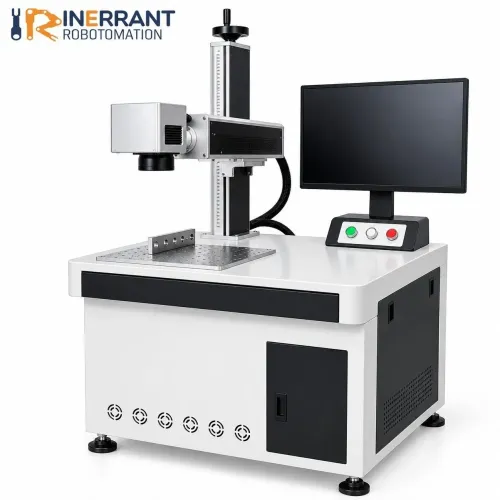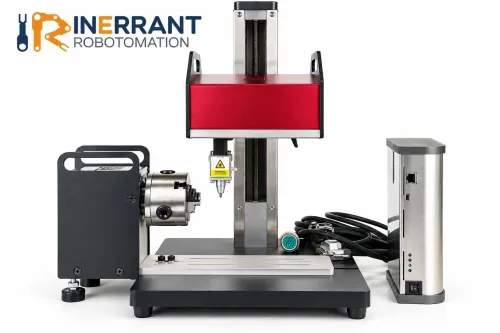
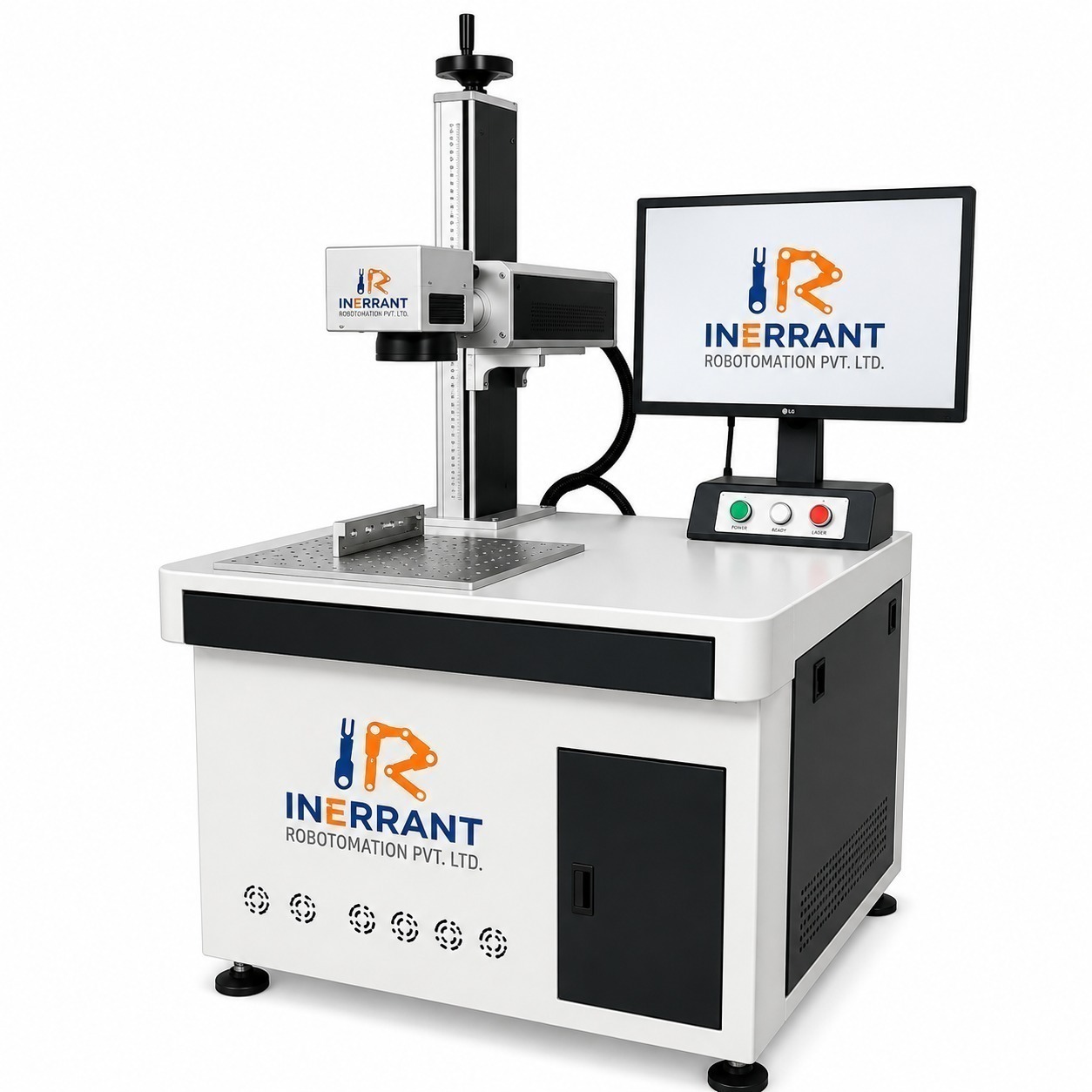
An Industrial Laser Marking Machine in Pune can serve several purposes beyond putting a logo or part number on a component. In modern manufacturing, marking often supports identification, quality management, traceability, inventory control, assembly verification, and after-sales tracking.
Consider an automotive component that passes through multiple production stages. If a quality issue is discovered later, the manufacturer may need to determine when the part was produced, which batch it belonged to, and potentially which process parameters were used. A permanent serial number or machine-readable code can connect the physical component with its production records.
This makes industrial marking particularly relevant for manufacturers handling large quantities of visually similar components.
Several types of information can be applied through laser marking, depending on the material and application:
Serial numbers
Batch and lot numbers
Dates and time codes
Product model information
QR codes
Data Matrix codes
Barcodes
Logos
Technical symbols
Component identification numbers
For Pune's automotive, engineering, electrical, fabrication, and precision manufacturing sectors, the ability to create repeatable identification can support both internal process control and customer-specific traceability requirements.
However, marking quality should not be judged only by appearance. A mark must suit its intended function. If an operator only needs to read a serial number, visual clarity may be sufficient. If a camera or scanner must decode a small Data Matrix code at production speed, contrast, cell definition, positioning, and consistency become more critical.
Manufacturers should also consider the environment in which the component will be used. Parts exposed to handling, oil, heat, cleaning, abrasion, or outdoor conditions may require identification that remains readable after production.
Another practical consideration is cycle time. A detailed marking pattern covering a large area generally takes longer than a short code. The required marking time should be evaluated against the overall production takt time, particularly when the equipment is integrated into an automated line.
For example, if an assembly line produces one component every 15 seconds but the marking operation requires 25 seconds, simply installing the marking station inline can create a bottleneck. The process may need optimization, parallel marking, buffering, or a different production arrangement.
Safety is fundamental because industrial lasers require controlled operating conditions. Machine enclosures, interlocks, extraction where required, and appropriate operating procedures should be incorporated into the equipment design.
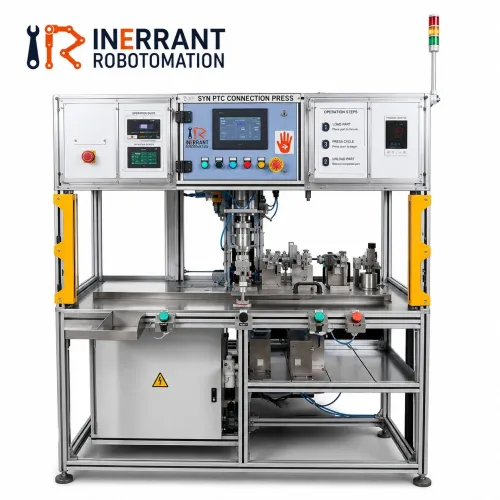
Automation can further expand the usefulness of laser marking. Component presence sensors can confirm loading, scanners can retrieve product information, PLCs can select the correct marking recipe, and vision equipment can verify the resulting code.
INERRANT ROBOTOMATION serves industrial requirements in Pune where such marking operations can form part of broader automated production systems.
The best results come from defining what the mark must accomplish before selecting the machine. Material compatibility, permanence, contrast, code size, production rate, traceability, automation, verification, and operator safety should all be evaluated. When these requirements are clear, laser marking can become a useful manufacturing control point rather than merely a finishing operation.