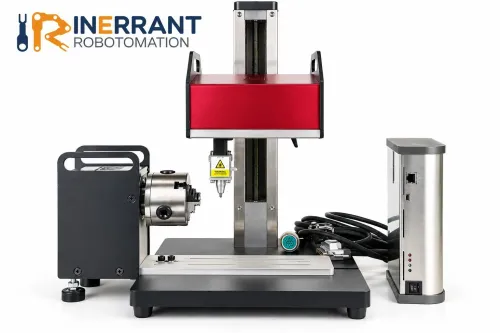
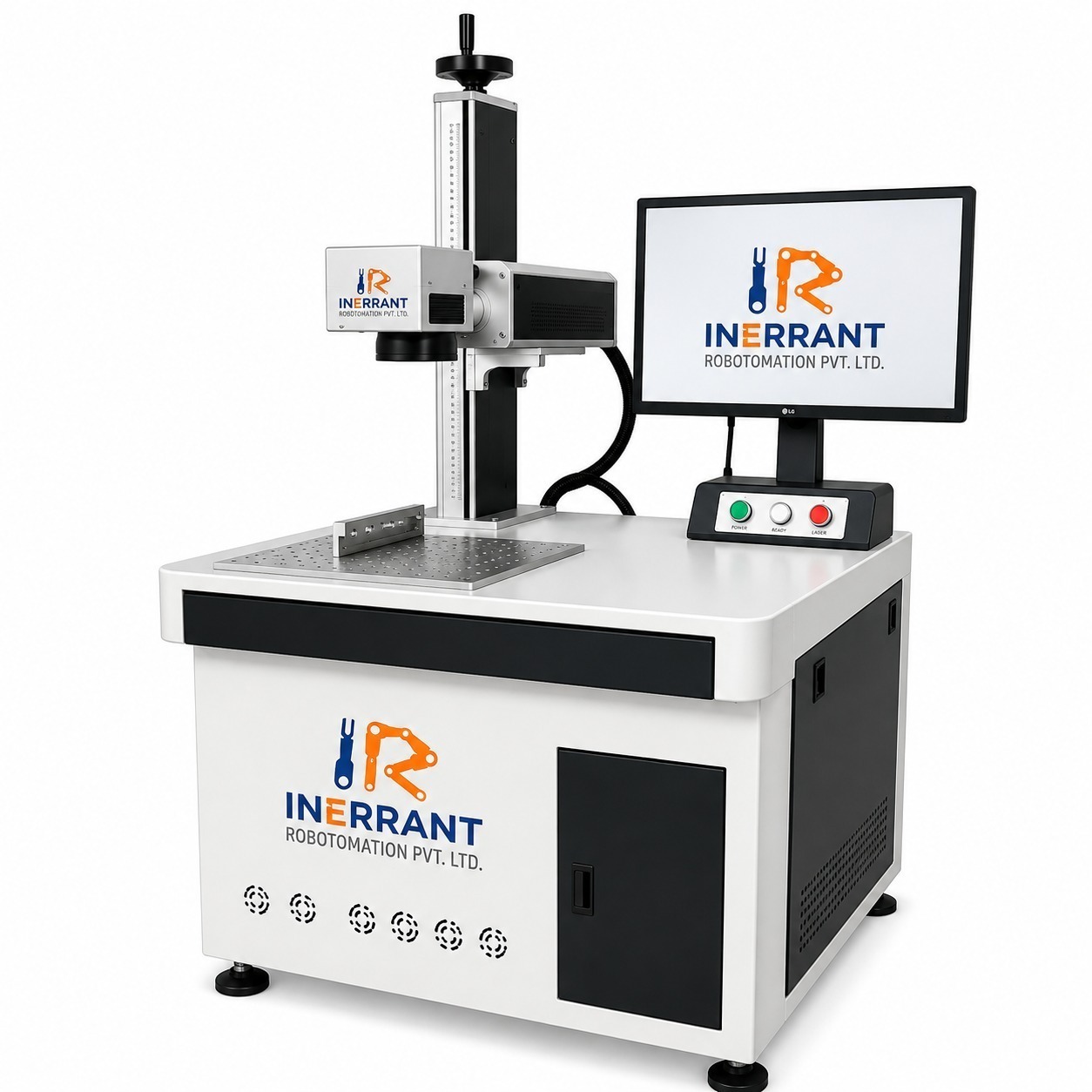
Permanent product identification has become increasingly important across manufacturing. Part numbers, serial numbers, batch codes, QR codes, logos, manufacturing dates, and traceability information may need to remain readable throughout a component's service life. Selecting an appropriate Laser Marking Machine Manufacturer in Pune starts with understanding how laser marking fits into the broader manufacturing and traceability process.
Unlike labels or ink-based identification, laser marking creates a mark by directing controlled laser energy onto a material surface. Depending on the laser source, material, power settings, and process, the result may involve engraving, surface colour change, annealing, ablation, or another marking effect.
Laser marking is commonly considered for metals and selected industrial materials where permanent identification is required. Typical applications can include:
Automotive and engineering components
Bearings and machined parts
Electrical and electronic products
Tools and hardware
Nameplates and identification plates
Industrial assemblies
Metal enclosures
Components requiring serialisation
The first step in selecting a laser marking system is identifying the material. Different materials react differently to laser energy. A solution that produces excellent contrast on stainless steel may require different settings or technology when marking aluminium, coated metal, plastic, or another substrate.
Mark size and content are equally important. A simple numeric code has different requirements from a small Data Matrix code containing detailed traceability information. Manufacturers should define the smallest characters, required marking area, expected contrast, and whether machine-readable codes must be scanned automatically.
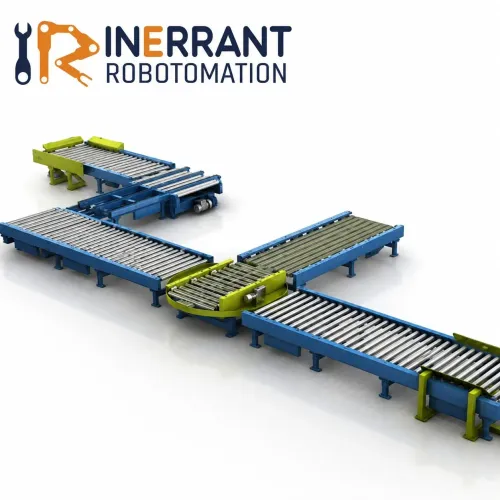
Production volume affects equipment configuration. A standalone marking machine may be suitable for batch production or low-volume operations. Higher-volume manufacturing can require automatic loading, fixtures, indexing tables, conveyors, PLC communication, barcode readers, or integration with an existing production line.
Manufacturers in Pune and Maharashtra's broader industrial belt should also consider how marking data will be generated. If every component receives a unique serial number, the system may need communication with production software, scanners, databases, or other factory equipment. The marking operation then becomes part of the traceability architecture rather than a separate process.
Fixture design is often overlooked. Even a capable laser system can produce inconsistent results if components are positioned differently during each cycle. Fixtures should locate the component accurately, support convenient loading, and prevent incorrect orientation where necessary.
Another consideration is verification. Where traceability is critical, manufacturers may need to confirm that the correct information has actually been marked and remains readable. Vision systems or code readers can sometimes be integrated after marking for this purpose.
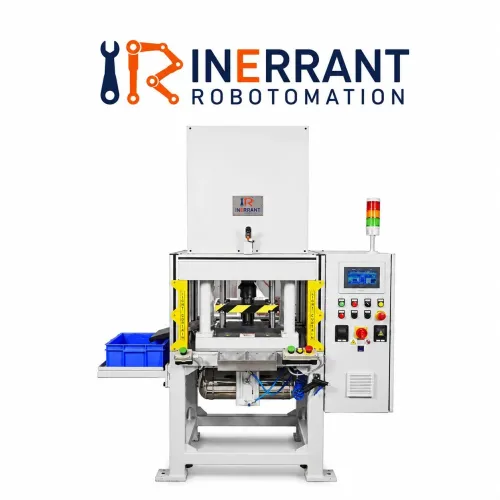
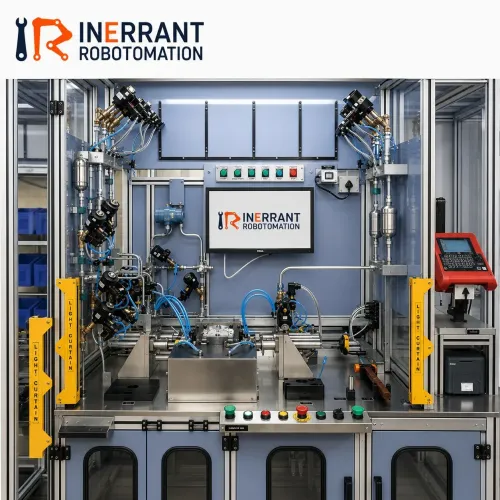
INERRANT ROBOTOMATION in Pune provides industrial automation and machine-building capabilities relevant to production environments where marking may need to work alongside assembly and manufacturing operations.
A laser marking project should therefore be evaluated as a complete application. Material, mark quality, cycle time, data management, component positioning, operator interaction, safety, and future integration requirements all influence the final configuration. Defining these requirements before equipment selection helps manufacturers avoid investing in a machine that produces a good sample mark but does not fit smoothly into everyday production.